
Healthier Soil Helps Grass Handle Heat, Rain, and Dry Spells Better
Aeration helps lawns handle weather stress by loosening packed soil, improving air flow, and helping water reach the roots. When roots can grow deeper, grass is better able to deal with hot days, heavy rain, and short dry periods. In many yards, the main problem is not the grass itself. It is hard soil that keeps the lawn from getting what it needs.
Quick Answer
Weather can be hard on any lawn. Heat can dry it out fast. Heavy rain can leave puddles and weak roots. Cold snaps can slow growth and make thin areas worse. aeration helps by opening small holes in the soil. Those holes give roots more room to grow and help water, oxygen, and nutrients move down where they are needed. That is why many homeowners use aeration as a simple way to build a stronger lawn over time.
What You Need Before Starting
Before doing aeration, it helps to know your lawn’s condition. Walk across the yard and check for hard ground, thin grass, standing water, or spots that dry out fast. These are common signs of compacted soil. You should also know your grass type and the time of year when it grows best. A cool-season lawn and a warm-season lawn do better with service at different times.
You may need:
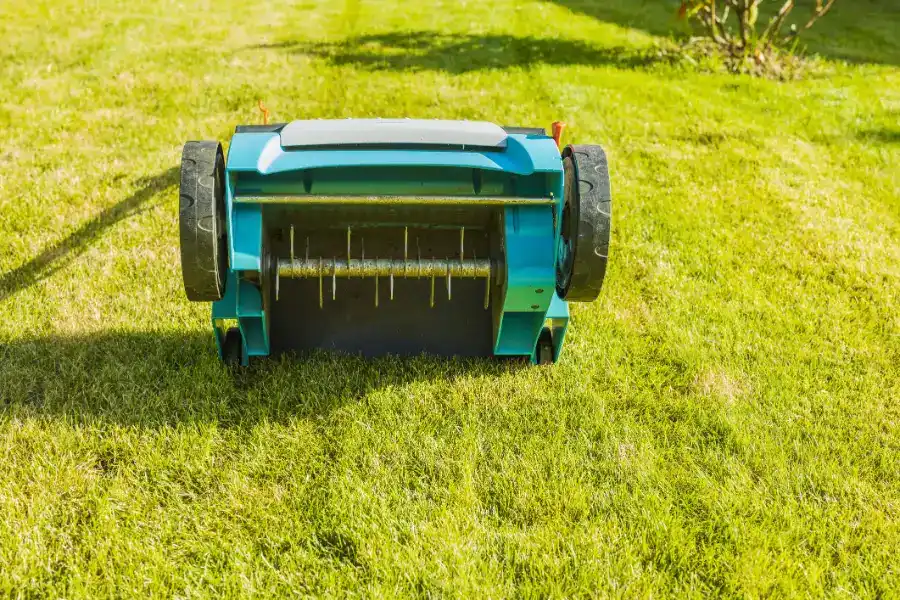
- A core aerator or spike tool
- Flags to mark sprinkler heads or shallow lines
- A hose or sprinkler to lightly water hard soil first
- Seed or fertilizer if your lawn needs added support
- Basic lawn care tools for cleanup
If your yard has irrigation, tree roots, or problem drainage, take extra care before starting. Even if your service category keyword is not listed here, this kind of lawn and soil work fits into broader outdoor property care and helps support long-term yard health.
Step-by-Step Process
The best results come from doing the job in a simple order. That keeps the lawn from getting stressed while you work on making it stronger.
- Mow the lawn so the soil surface is easier to reach.
- Water lightly a day before if the ground is very hard.
- Mark sprinkler heads, valves, and any shallow utility areas.
- Run the aerator across the lawn in even passes.
- Go over packed areas again if they get heavy foot traffic.
- Leave the soil plugs on the lawn to break down naturally.
- Add seed or fertilizer if the lawn needs thicker growth.
- Water the lawn after service so roots can recover well.
This process helps the lawn use rain better instead of letting water run off. It also helps roots grow down deeper, which matters a lot during hot weather.
Common Mistakes to Avoid
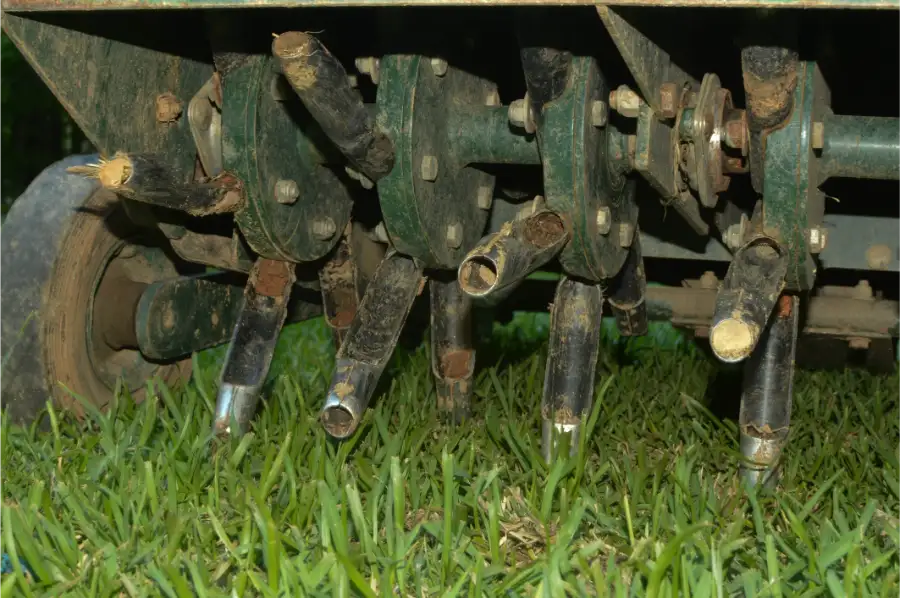
One common mistake is doing aeration at the wrong time. If the lawn is dormant, it may not recover well. Another mistake is using only a spike tool on badly compacted soil. Spikes push soil aside, but core aeration removes plugs and often does a better job. Some people also skip watering after service, which can slow recovery.
Avoid these problems:
- Aerating bone-dry soil
- Working when the lawn is under severe heat stress
- Missing compacted zones near driveways or play areas
- Cutting too low before service
- Expecting instant results after one treatment
It also helps not to overload the lawn with too much fertilizer right away. Grass still needs time to recover and grow.
When to Call a Professional
Some lawns need more than a basic weekend project. If water sits on the surface for a long time, if the soil feels rock hard in many areas, or if the grass keeps thinning each season, a professional can help find the bigger issue. The problem may involve drainage, root damage, thatch buildup, or repeated soil compaction from traffic or equipment.
A lawn care professional can also time aeration better for your grass type and weather pattern. That matters if your area gets long dry spells, sudden storms, or sharp temperature swings. In places like Fargo, ND, local weather can change fast, and that can make timing more important.
Final Recommendation
If your lawn struggles after heat, heavy rain, or dry weather, aeration is a smart step. It helps the soil breathe and helps roots grow stronger. Over time, that can mean greener grass, fewer bare spots, and better recovery after rough weather. If you want help figuring out the right timing for your yard in Fargo, ND, contact us at (701) 248-6753. At Chips Clips Lawn Care and Snow Removal, we can inspect the lawn, explain the next step, and help us build a stronger yard with care that fits the season.