
Why Small Holes in the Soil Help Your Lawn Grow Better
Lawn aeration helps grass health and growth by opening small holes in the soil. These holes let air, water, and nutrients move down to the roots. When roots get what they need, grass can grow thicker, greener, and stronger. In many yards, soil gets packed down over time from foot traffic, pets, mowing, and weather. That packed soil makes it hard for grass to thrive. A good aeration plan can help fix that and support a healthier lawn.
What You Need Before Starting
Before doing aeration, it helps to check your lawn’s condition. Look at the grass, the soil, and how the yard gets used. If the lawn feels hard under your feet or water sits on top after rain, the soil may be compacted. Thin patches, weak growth, and bare spots can also point to a root problem below the surface. This kind of lawn care works best when the grass is growing well, since active roots can recover faster.
You should also know what type of grass you have and what season it is. Cool-season grass often responds best in early fall or spring. Warm-season grass usually does better in late spring or early summer. If the ground is too dry, the machine may not pull good plugs. If it is too wet, the lawn can get messy and damaged. Basic lawn and service planning before you start can save time and trouble.
Step-by-Step Process
The process is simple, but doing it the right way matters. Core aeration is often the best method because it removes small plugs of soil instead of just poking holes. That gives roots more room to spread and improves how the soil breathes.
- Mow the grass a little shorter than usual.
- Water the lawn lightly a day before service if the soil is dry.
- Mark sprinkler heads, shallow lines, and hidden fixtures.
- Use a core aerator across the yard in even passes.
- Go over heavy traffic spots a second time if needed.
- Leave the soil plugs on the lawn to break down naturally.
- Add seed or fertilizer after aeration if your lawn needs extra help.
- Water the lawn as needed to support recovery and new growth.
After aeration, the lawn often absorbs water better. Seed can also settle into the open spaces more easily. That is one reason many people pair aeration with overseeding. The small holes give new seed a better place to grow, which can lead to fuller coverage over time.

Common Mistakes to Avoid
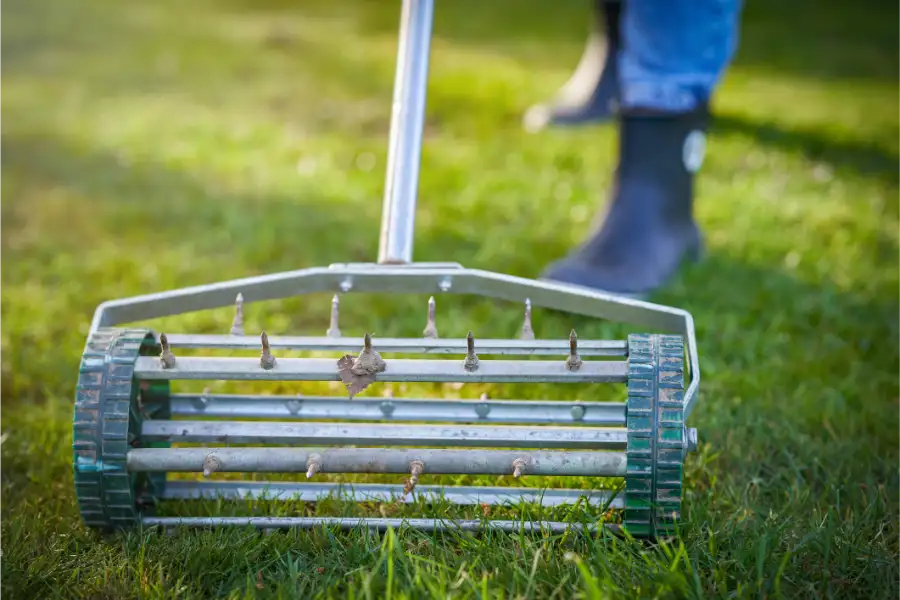
One common mistake is aerating at the wrong time of year. If the grass is dormant or stressed by heat, recovery can be slow. Another mistake is using the wrong tool. Spike tools may seem easy, but they can press soil tighter around the holes instead of removing it. For many compacted lawns, core aeration gives better results.
Some people also expect instant change. Grass health improves over time, not overnight. Roots need time to use the extra space and resources. It is also a mistake to skip watering after service when conditions are dry. Freshly opened soil can help a lot, but the lawn still needs steady care to respond well.
A final issue is doing too little in badly compacted areas. Spots near driveways, play areas, and walkways often need more attention than the rest of the yard. If only light service is done there, growth may stay uneven.
When to Call a Professional
Some lawns are easy to handle, but others need a trained eye. If your yard has major bare areas, standing water, heavy clay soil, or years of neglect, a professional can help build the right plan. The same is true if you are not sure when to seed, fertilize, or treat weeds after aeration. A poor timing choice can limit results.
Professional service also helps when the yard is large or has slopes, tight spaces, or buried features. A team can use the right equipment and pattern for better coverage. They can also spot signs of disease, poor drainage, or root stress that may be hurting growth. If your lawn has not improved after basic care, expert help may save money and time in the long run.
Final Recommendation
If your grass looks thin, weak, or worn out, aeration is often a smart next step. It helps break up compacted soil, supports deeper roots, and improves how the lawn uses water and nutrients. For many homeowners in Fargo, ND, this service can make a clear difference in lawn health through the growing season. If you want help choosing the right timing and approach, contact Chips Clips Lawn Care and Snow Removal at (701) 248-6753. We can inspect the lawn, explain the options, and help us find the best path for stronger grass.