
How Thicker Grass Helps Your Yard Stay Healthy Through Changing Seasons
Overseeding helps seasonal lawns stay fuller, greener, and stronger as weather changes during the year. It fills in thin spots, helps crowd out weeds, and supports better recovery after heat, foot traffic, and cold weather. For many homes in Fargo, ND, adding new grass seed to an existing lawn is a simple way to improve lawn health without starting over.
Why Prevention Matters
Seasonal lawns deal with a lot. Summer heat can thin grass. Winter can leave bare patches. Heavy rain can wash out weak areas. Dry spells can slow growth. overseeding works as a prevention step because it adds fresh grass plants before lawn problems get worse. A thicker lawn holds up better over time. It can also help the yard look more even from one season to the next.
This is useful for warm-season and cool-season lawns. Some grass types grow fast in one part of the year and slow down in another. When that happens, the lawn may lose color or density. overseeding gives the lawn new life at the right time. It helps support steady cover, which is a key goal in lawn care and outdoor service work.
Early Warning Signs
You may not need to wait until the lawn looks bad. Small warning signs often show up first. Catching them early can save time and money later.
- Thin grass in sunny or high-traffic spots
- Small bare patches after summer or winter
- More weeds than usual
- Grass that looks uneven in color
- Soil showing through in several areas
- Slow recovery after mowing or play
If you notice two or more of these signs, overseeding may help. It is often most useful when the lawn still has enough healthy grass to support new growth.
Seasonal or Routine Checklist
A simple routine makes overseeding more effective. Timing matters. So does prep work. The goal is to give new seed the best chance to grow.
- Mow the lawn a bit shorter than usual.
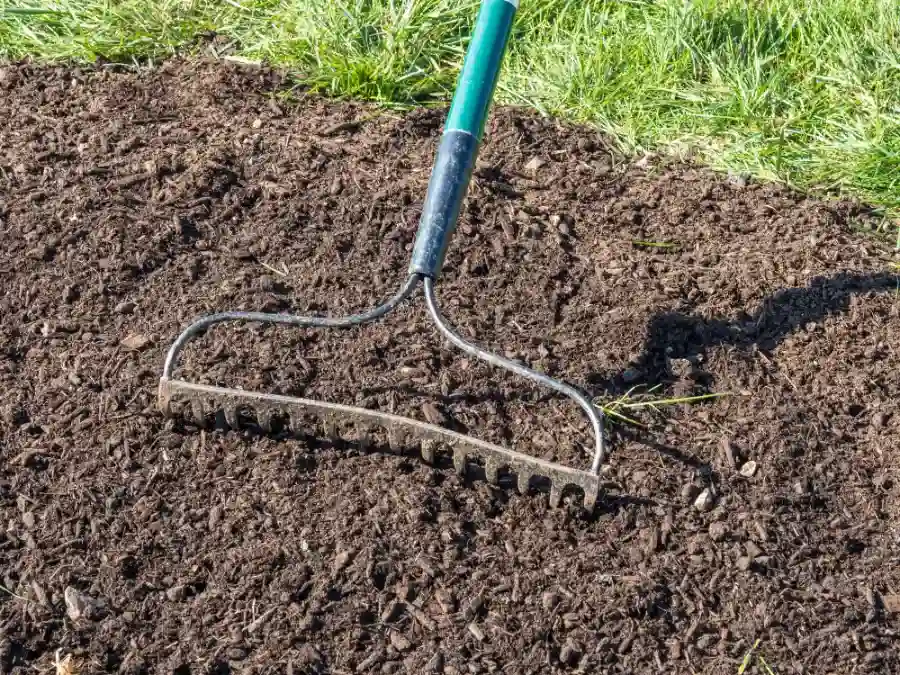
- Rake up dead grass and loose debris.
- Loosen the soil surface in thin areas.
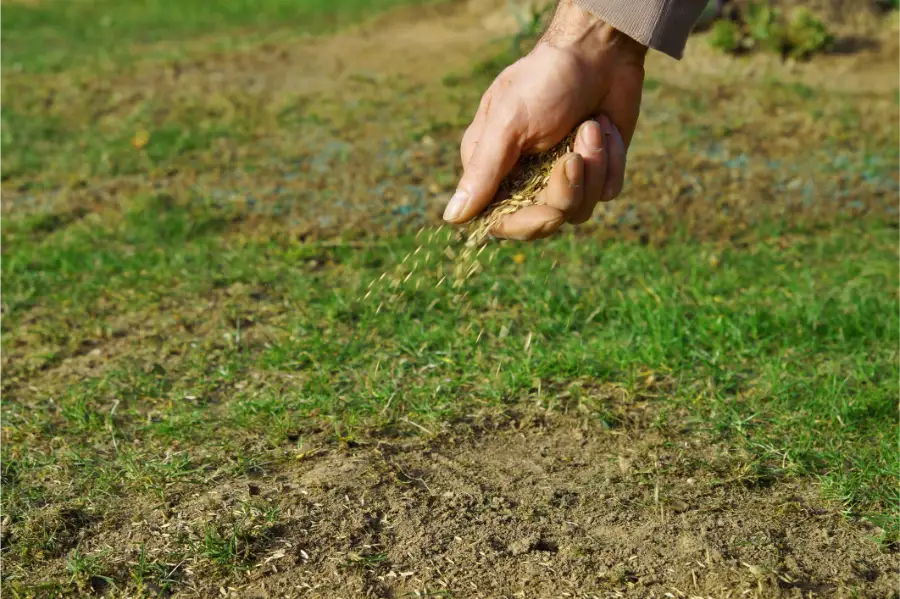
- Spread the right seed for the season and grass type.
- Water lightly and often until new grass starts.
- Keep foot traffic low during early growth.
- Wait to mow until the new grass is tall enough.
For many cool-season lawns, early fall is a good time. The soil is still warm, and air temperatures are milder. For some warm-season lawns, late spring may be a better fit. The right timing depends on the grass and local weather patterns.
Best Practices for Long-Term Results
overseeding works best when it is part of a bigger lawn routine. Seed alone cannot fix every issue. The lawn also needs healthy soil, enough water, and the right mowing height. Good habits help the new grass survive after it sprouts.
Use seed that matches the lawn’s current grass when possible. This helps the yard look more even. In shady spots, choose a seed blend made for lower light. In high-traffic areas, use a tougher variety that can handle wear.
It also helps to test the soil now and then. If the soil is too hard, too dry, or lacking nutrients, new seed may struggle. Aeration before overseeding can improve seed-to-soil contact. That gives roots a better place to grow. A steady watering plan matters too. Too little water can dry out seedlings, but too much can wash seed away.
Another long-term benefit is weed control. Thick turf leaves less room for unwanted plants. While overseeding is not a weed killer, it can support a lawn that resists weed spread better over time.
What Not to Do
Many lawn problems come from simple mistakes. A few wrong steps can lower the benefits of overseeding.
- Do not seed right before extreme heat or frost.
- Do not skip watering during the first weeks.
- Do not use the wrong grass type for the season.
- Do not apply too much seed in one spot.
- Do not mow too soon after seeding.
- Do not ignore soil issues like compaction.
Another common mistake is thinking every bare area needs the same fix. Some spots thin out because of shade. Others thin out from pet use, disease, drainage problems, or heavy wear. If the cause is not addressed, the new grass may fail again.
When to Schedule Professional Help
Some lawns are good do-it-yourself projects. Others need a closer look. If the yard has large dead areas, poor drainage, hard soil, or repeat thinning every season, professional help can save frustration. A lawn team can spot the cause, choose the right seed, and handle prep work that many homeowners skip.
This can be helpful after a rough summer, after disease damage, or when the yard has mixed sun and shade conditions. It can also help if the lawn has never been very thick, even with regular watering and mowing. A professional plan may include aeration, seed selection, and follow-up care for better results.
Get Help for a Healthier Lawn
For lawns in Fargo, ND, we can help with seasonal overseeding and practical next steps for better growth. Contact Chips Clips Lawn Care and Snow Removal to talk about your yard’s condition and goals. Call us at (701) 248-6753, and we will help you decide what fits your lawn best.