Your Grass May Need Help If It Feels Spongy, Looks Thin, or Struggles to Grow
If your yard looks weak even after watering and mowing, it may be time for dethatching. A lawn often needs this service when dead grass and roots build up into a thick layer above the soil. That layer blocks air, water, and nutrients. In Fargo, ND, this can show up as patchy grass, slow growth, soft ground, or water sitting on the surface after rain.
Quick Diagnosis Summary
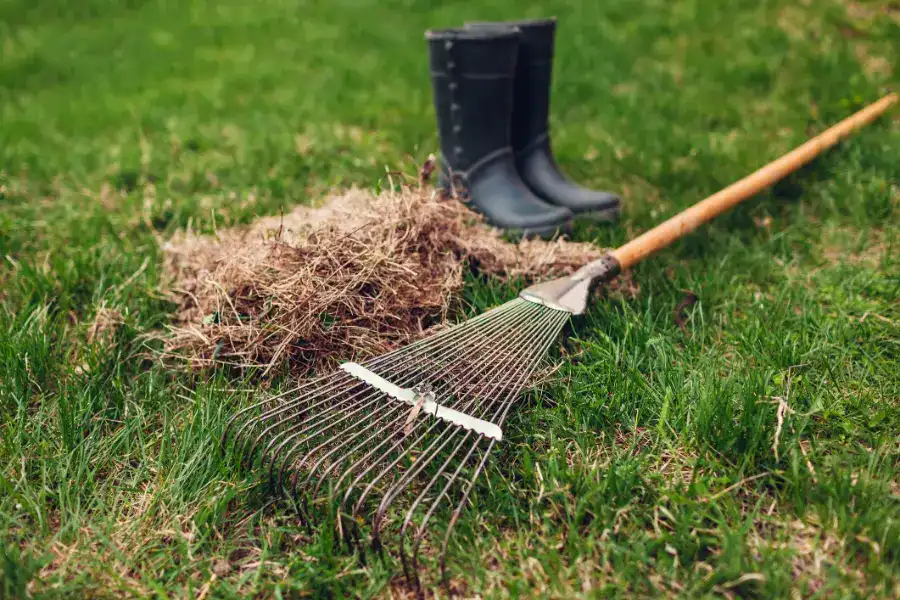
The main sign your lawn needs dethatching is a thick mat of dead material between the grass blades and the soil. A little thatch is normal. Too much is a problem. When that layer gets too thick, your lawn cannot breathe well or take in what it needs. This often leads to weak roots, bare spots, and grass that looks tired no matter how much care you give it.
Common Symptoms
Many lawns give clear warning signs before the problem gets worse. You may notice changes in color, texture, and growth. Some signs are easy to miss at first, but they add up over time.
- The lawn feels bouncy or springy when you walk on it
- Grass looks thin even during the growing season
- Water runs off instead of soaking into the soil
- The yard has brown patches that do not fill back in
- Grass roots seem shallow and weak
- The lawn is harder to mow evenly
- Pests or fungus show up more often
If you pull back a small section of grass and see a dense brown layer above the soil, that is another strong clue. In many cases, a layer thicker than about half an inch means the lawn may benefit from dethatching.
Likely Causes
Thatch builds up when your lawn makes more organic matter than the soil can break down. This can happen for a few reasons. Some lawns grow fast and naturally make more buildup. Others develop it because of care habits that work against healthy soil.
Common causes include mowing too short, overwatering, and using too much fertilizer. Heavy clay soil can also slow breakdown. Some grass types are more likely to build thatch than others. Poor soil life is another factor. When soil microbes are not active, dead plant material does not break down as it should. This is why lawn and landscape conditions both matter when you look at the cause.
What to Check First
Before you plan any work, take a closer look at the lawn. A few simple checks can help you tell if thatch is really the issue or if something else is going on.
- Cut a small plug from the lawn with a shovel.
- Look for the layer between the green grass and the soil.
- Measure that brown layer with your finger or a ruler.
- Check if the soil below feels dry and hard.
- See whether roots stay close to the top instead of growing deep.
- Watch what happens when you water. If it pools or runs off, thatch may be blocking the soil.
These steps can help you avoid guessing. They also help you decide if the lawn needs basic care changes, full dethatching, or another service like aeration.
Safe Fixes Vs Pro-Level Fixes
If the thatch layer is light, you may be able to improve the lawn with simple changes. Water less often but more deeply. Raise your mowing height. Avoid feeding the lawn too much. In some cases, core aeration helps soil life and reduces future buildup.
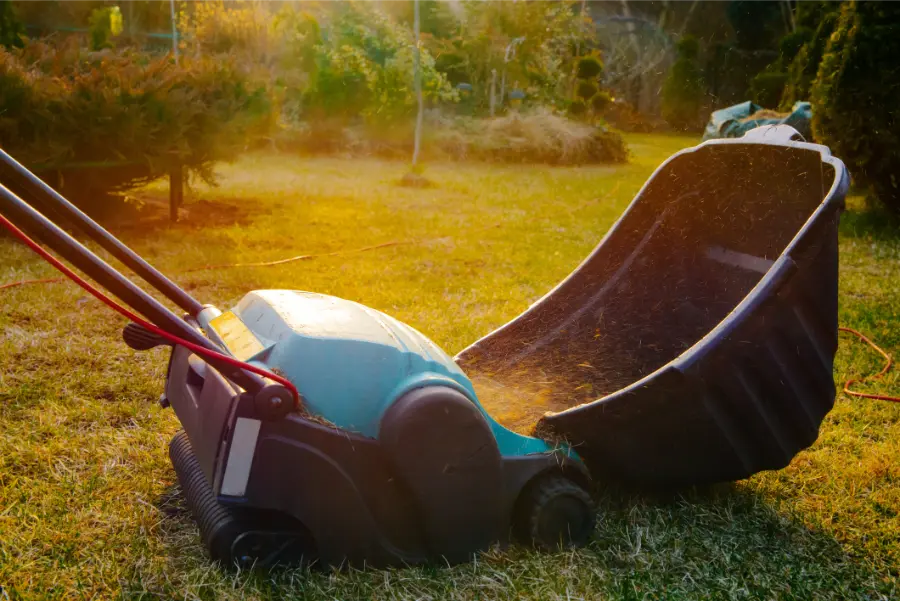
For thicker thatch, dethatching may be the better fix. This process uses tools that pull up the packed layer so air and water can reach the roots again. Small areas may be manageable with a hand rake made for thatch. Large yards are harder. Power equipment can be rough on weak grass if used the wrong way. If timing is off or the lawn is already stressed, you can end up with more bare spots than expected.
Professional help makes sense when the lawn has widespread buildup, uneven ground, thin grass, or signs of disease. A pro can tell if dethatching alone is enough or if the lawn also needs overseeding, aeration, or follow-up care.
Prevention Tips
Once a lawn is cleaned up, the next goal is to stop the same problem from coming back too fast. Good mowing, watering, and feeding habits go a long way.
- Mow at the right height for your grass type
- Do not remove too much of the blade at once
- Water deeply instead of giving light daily sprays
- Use fertilizer carefully and only as needed
- Aerate compacted soil when needed
- Keep an eye on drainage problems
- Check the thatch layer each year
It also helps to time lawn work around active growth. Grass recovers better when conditions are right. Doing heavy work during heat, drought, or dormancy can slow recovery and make the yard look worse before it gets better.
Final Recommendation
If your lawn feels spongy, sheds water, or stays thin no matter what you do, it may be time to act. We help homeowners in Fargo, ND figure out whether dethatching is the right next step. At Chips Clips Lawn Care and Snow Removal, we can inspect the lawn, explain what we find, and suggest the best fix for stronger grass. Call us at (701) 248-6753 to set up a visit and get helpful answers for your yard.