The Best Time Is When Your Grass Is Growing Strong
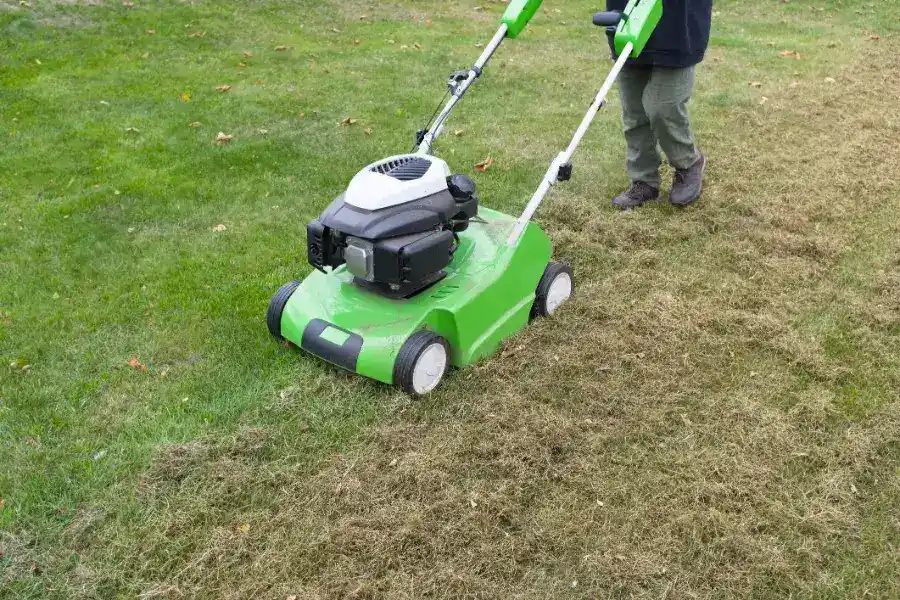
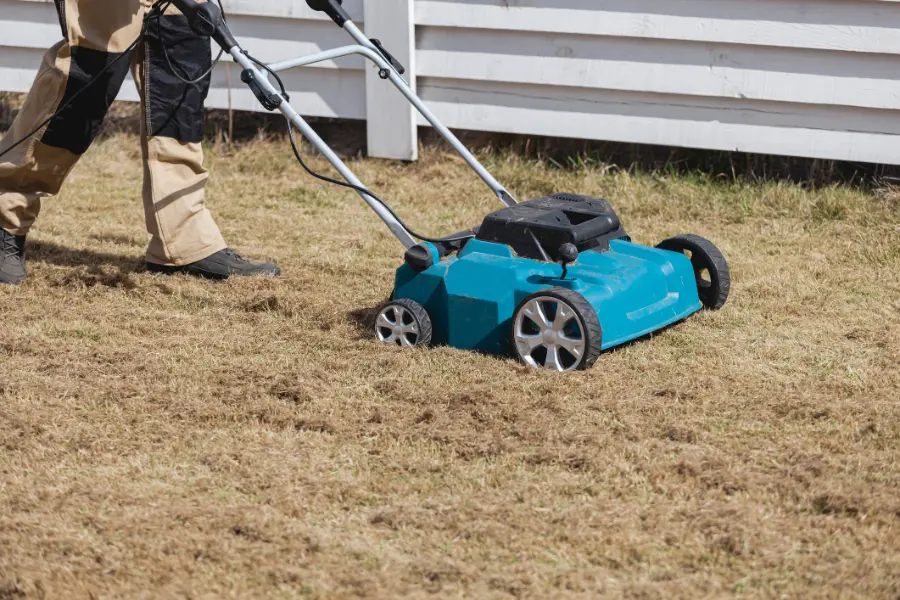
The best time for dethatching is when your lawn is in its active growing season and can heal fast. For cool-season grass, that is usually early spring or early fall. For warm-season grass, late spring to early summer is often best. If you dethatch at the wrong time, your grass may struggle and thin out instead of bouncing back.
Why Prevention Matters
Thatch is a layer of dead grass, roots, and stems that sits between the soil and the green grass blades. A little thatch is normal. Too much can block water, air, and plant food from reaching the roots. That can lead to weak grass, bare spots, and more pest or disease trouble. Good lawn care and regular checks can help you catch thatch before it becomes a bigger problem.
Early Warning Signs
Your lawn will usually give clues when thatch is getting too thick. Grass may feel soft and bouncy when you walk on it. Water may run off instead of soaking in. The lawn may dry out fast, even after rain or watering. You might also see patchy growth or roots staying shallow near the top of the soil. Dethatching may help if the thatch layer is more than about half an inch thick.
You can do a simple test with a small shovel. Cut out a small piece of turf and look at the brown layer between the grass and soil. If that layer is thin, your lawn may not need any work yet. If it is thick and packed, it may be time to act.
Seasonal or Routine Checklist
The right timing depends on your grass type and lawn condition. A simple seasonal routine can help you decide when to dethatch and when to wait.
- Check your lawn in spring for spongy spots and poor water flow.
- Measure the thatch layer in a few areas of the yard.
- Identify whether you have cool-season or warm-season grass.
- Plan dethatching during active growth, not dormancy.
- Water the lawn lightly a day or two before the work.
- Mow slightly shorter than usual before starting.
- Rake up removed debris and watch for new growth after.
If your yard also needs other service category work, it can help to bundle tasks so the lawn has one recovery period instead of several. That can make maintenance easier on both the grass and your schedule.
Best Practices for Long-Term Results
Dethatching is not something most lawns need all the time. In many cases, every few years is enough. The better goal is to stop heavy thatch from building up too fast. Mow at the proper height for your grass type. Avoid too much fertilizer, especially quick-growth products. Water deeply but not too often. Aeration may also help if your soil is compacted, since compacted soil can make grass roots grow poorly and add to lawn stress.
After dethatching, give the lawn time to recover. Keep up with watering, but do not soak the yard every day. If grass is thin, overseeding may help fill bare spots for cool-season lawns. A light feeding may also support new growth if the season is right. The main idea is to help the roots rebuild after the old layer is removed.
What Not to Do
One common mistake is dethatching just because the lawn looks messy. Not every brown patch means thick thatch. Dry soil, shade, insects, or mowing problems can look similar. Another mistake is doing the work in summer heat for cool-season grass or too early in spring before warm-season grass wakes up. That can add stress and slow recovery.
- Do not dethatch dormant grass.
- Do not rip up a lawn that has very little thatch.
- Do not skip cleanup after the work is done.
- Do not overwater after dethatching.
- Do not use heavy fertilizer right away unless your lawn needs it.
It is also smart to avoid aggressive power raking on brand-new lawns. Young grass can be damaged easily. If your yard was seeded or sodded recently, give it more time to establish strong roots first.
When to Schedule Professional Help
Some lawns are easy to check and treat. Others are harder. If your yard has large bare spots, heavy compaction, drainage problems, or mixed grass types, expert help can save time and prevent damage. A professional can tell whether dethatching is the right fix or if aeration, overseeding, soil work, or a change in mowing habits would help more.
Homeowners in Fargo, ND may also notice that weather swings affect timing from year to year. A wet spring or long cool spell can change when grass starts active growth. That is why the calendar alone should not decide the job. The lawn’s condition matters more than the date.
Get Help If Your Lawn Needs a Closer Look
If your lawn in Fargo, ND feels spongy, dries out fast, or is not growing well, we can help you figure out if dethatching is the right next step. We take time to look at the grass type, soil condition, and season before making a plan. Contact Chips Clips Lawn Care and Snow Removal to talk through your lawn concerns. Call us at (701) 248-6753 for helpful guidance and next steps.